📖 遊び方
 フリップマスター
ゲームについて知りたいことすべて
フリップマスター ゲームについて知りたいことすべて
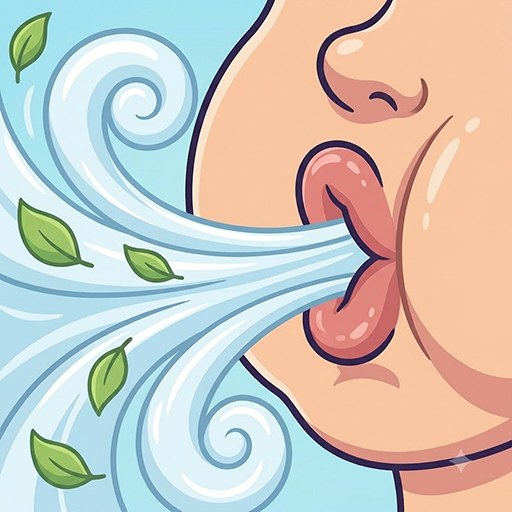
Blow hard into the microphone and the loudness of your breath becomes the wind. Every phone's mic is different, so the game listens to the room for 0.7 s first and calibrates. The wind acts separately on dozens of points across the ddakji, so when only the upwind edge lifts, the torque tips it over - there is no canned flip animation, every flip is physics. In a quiet place, pick touch with the mode button and swipe up in front of the ddakji - faster and longer swipes blow harder.
The bar right above the ddakji is the strength of your breath: Weak, Good, Strong, then the red end, Too Much. The scale is redrawn for every object, angle and weather. Blow too hard and it flies off the desk, spins once more and lands face up again, or just slides away. After every breath the game tells you what went wrong, like "A little stronger!" or "Too strong - it just got shoved!".
When a corner faces the wind, the air splits and lifts less. Drag sideways to circle the view around the ddakji and bring a flat edge forward - while you turn, it calls "Right there!". A curled-up edge in front lets wind slip under the gap. The flag and weather lines at the top right show the window wind - tail, head or cross - and humidity, and from level 11 the weather slowly joins in.
Each heart is one breath, and each breath has 10 seconds. Clear in one breath for three stars. H-Coins on the desk are collected when your ddakji covers or slides over them. Story levels follow - get it into the chalk circle, hit the bullseye, cross the line, beat the bell, blow it off the desk - and if you fail the same level three times, help mode shows you the right angle and strength.
9つのミッションが毎晩リセット。全部達成しよう!







特定レベル達成で永続的に称号を獲得。プロフィールに表示されます。









Each ddakji is a rigid body with a real size and weight - square 8.8 cm and 7.5 g, round 6.2 cm. Every paper has its own weight, curl and friction, so each flips at a different strength: newspaper is light and curly (go gentle), calendar and milk-carton ddakji are heavy (blow long and hard), and round ones are light (keep it short). The same breath gives a different result depending on whether an edge or a corner faces the wind.





From level 11, everyday objects join the ddakji. They use the same wind physics - only size, weight, thickness, friction and curl differ. Twenty-five candidates were simulated and only those with a strength that actually flips them were kept - a single card or a sheet of seaweed flies away the moment it lifts, and a phone or keyboard never budges, so those were left out.
中が空のトレーで軽い — 強すぎると飛ぶ

ふわっとして滑らない — じわっと押し上げて
底がベタつくので滑りにくい — たっぷり吹いても大丈夫

長い辺を手前に!短い辺からだと戻ってしまう
小さくてサクサク — 中くらいで短く
丸いおせんべい — けっこう強く吹いても耐える

つるつるのプラスチックで滑りやすい — 一気に強く
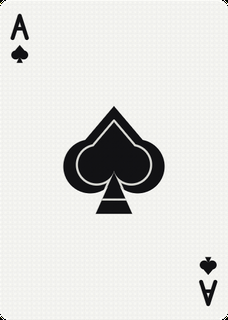
トランプ5枚は重い — 強く
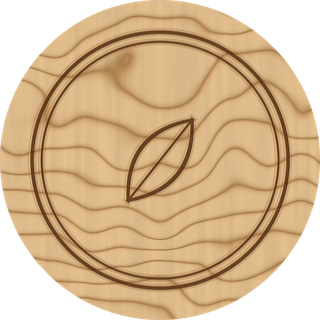
木なので重い — とても強く

いちばん重い — 全力で!
The room and the desk change every level - each set comes round once every twenty-four levels. Rooms differ in floor, walls and the colour of the light, and every desktop material has its own friction (from varnished wood at 0.60 to a cutting mat at 1.35). On a slippery desk length matters more than strength; on a grippy one, focus on lifting.
 教室
教室
 図書館
図書館
 台所
台所
 リビング
リビング
 カフェ
カフェ
 工房
工房
 屋根裏部屋
屋根裏部屋
 美術室
美術室
 音楽室
音楽室
 理科室
理科室
 体育館
体育館
 おばあちゃんの家
 塾
塾
 オフィス
オフィス
 喫茶店
喫茶店
 子ども部屋
子ども部屋
 コンビニ
コンビニ
 駅の待合室
駅の待合室
 ネットカフェ
 韓屋
韓屋
 ベランダ
ベランダ
 地下室
地下室
 屋上部屋
屋上部屋
 職員室
職員室





広告視聴でアイテム獲得。各アイテムはスロット1つを占有し、1ラウンド使用後に消費されます。



 ラインマスター
  フィンガーマスター
  ファンマスター
  バランスマスター
  タップマスター
  スライスマスター
  ロトマスター
  フィットマスター
  ドライブマスター
  バーストマスター
  ボインマスター
  ブロックマスター
  テンマスター
  タクマスター
  麺すすりマスター
  パスマスター
  ウィングマスター
  バトルマスター
  スネークマスター
  ダーツマスター
  ロードマスター
  ボムマスター
  アストロマスター
  ポーズマスター