📖 游戏玩法
 翻转大师
翻转大师
关于游戏您需要知道的一切
翻转大师 关于游戏您需要知道的一切
Blow hard into the microphone and the loudness of your breath becomes the wind. Every phone's mic is different, so the game listens to the room for 0.7 s first and calibrates. The wind acts separately on dozens of points across the ddakji, so when only the upwind edge lifts, the torque tips it over - there is no canned flip animation, every flip is physics. In a quiet place, pick touch with the mode button and swipe up in front of the ddakji - faster and longer swipes blow harder.
The bar right above the ddakji is the strength of your breath: Weak, Good, Strong, then the red end, Too Much. The scale is redrawn for every object, angle and weather. Blow too hard and it flies off the desk, spins once more and lands face up again, or just slides away. After every breath the game tells you what went wrong, like "A little stronger!" or "Too strong - it just got shoved!".
When a corner faces the wind, the air splits and lifts less. Drag sideways to circle the view around the ddakji and bring a flat edge forward - while you turn, it calls "Right there!". A curled-up edge in front lets wind slip under the gap. The flag and weather lines at the top right show the window wind - tail, head or cross - and humidity, and from level 11 the weather slowly joins in.
Each heart is one breath, and each breath has 10 seconds. Clear in one breath for three stars. H-Coins on the desk are collected when your ddakji covers or slides over them. Story levels follow - get it into the chalk circle, hit the bullseye, cross the line, beat the bell, blow it off the desk - and if you fail the same level three times, help mode shows you the right angle and strength.
9个任务每晚重置。全部完成!







达到特定等级永久解锁称号,显示在个人资料上。












Each ddakji is a rigid body with a real size and weight - square 8.8 cm and 7.5 g, round 6.2 cm. Every paper has its own weight, curl and friction, so each flips at a different strength: newspaper is light and curly (go gentle), calendar and milk-carton ddakji are heavy (blow long and hard), and round ones are light (keep it short). The same breath gives a different result depending on whether an edge or a corner faces the wind.
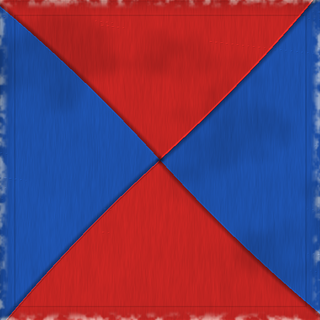
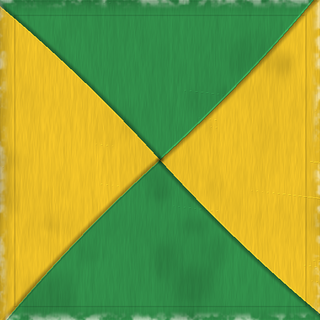






From level 11, everyday objects join the ddakji. They use the same wind physics - only size, weight, thickness, friction and curl differ. Twenty-five candidates were simulated and only those with a strength that actually flips them were kept - a single card or a sheet of seaweed flies away the moment it lifts, and a phone or keyboard never budges, so those were left out.
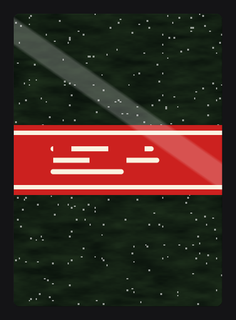
空心托盘很轻——太用力会飞走
柔软又抓地——稳稳地往上推
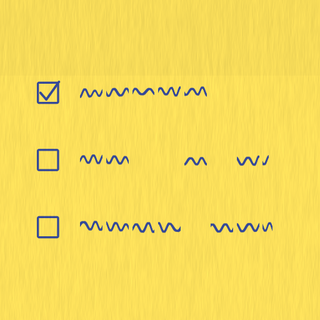
底部有粘性,不易滑动——可以多用点力

长边朝前!从短边吹会翻回来
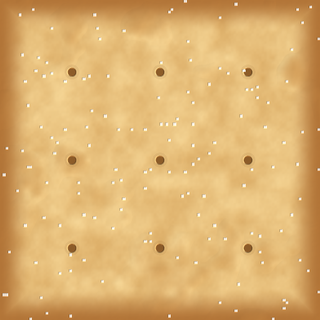
又小又脆——中等力度,短促一吹
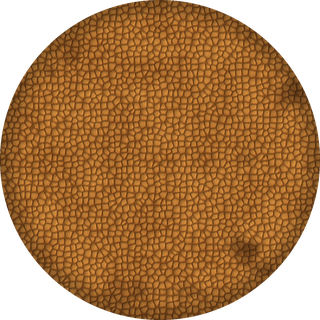
圆形米饼——能承受较强的风

光滑的塑料容易滑——一口气用力吹
五张牌很重——用力吹
实木很重——非常用力

最重的物品——使出全力!
The room and the desk change every level - each set comes round once every twenty-four levels. Rooms differ in floor, walls and the colour of the light, and every desktop material has its own friction (from varnished wood at 0.60 to a cutting mat at 1.35). On a slippery desk length matters more than strength; on a grippy one, focus on lifting.
 教室
教室
 图书馆
图书馆
 厨房
厨房
 客厅
客厅
 咖啡馆
咖啡馆
 工作室
工作室
 阁楼
阁楼
 美术室
美术室
 音乐室
音乐室
 科学实验室
科学实验室
 体育馆
体育馆
 奶奶家
奶奶家
 补习班
补习班
 办公室
办公室
 老茶馆
老茶馆
 儿童房
儿童房
 便利店
便利店
 车站候车室
车站候车室
 网吧
网吧
 韩屋
韩屋
 阳台
阳台
 地下室
地下室
 屋顶小屋
屋顶小屋
 教师办公室
教师办公室





观看广告获得道具。每个道具占用一个槽位,使用一局后消耗。



 线条大师
线条大师  手指大师
手指大师  风扇大师
风扇大师  平衡大师
平衡大师  点击大师
点击大师  切割大师
切割大师  乐透大师
乐透大师  契合大师
契合大师  驾驶大师
驾驶大师  爆裂大师
爆裂大师  弹跳大师
弹跳大师  积木大师
积木大师  凑十大师
凑十大师  咔嗒大师
咔嗒大师  吸面大师
吸面大师  造桥大师
造桥大师  飞翼大师
飞翼大师  战斗大师
战斗大师  解蛇大师
解蛇大师  飞镖大师
飞镖大师  公路大师
公路大师  炸弹大师
炸弹大师  星航大师
星航大师  姿势大师
姿势大师  椪糖大师
椪糖大师