📖 Nasıl Oynanır
 FlipMaster
Oyun hakkında bilmeniz gereken her şey
FlipMaster Oyun hakkında bilmeniz gereken her şey
Blow hard into the microphone and the loudness of your breath becomes the wind. Every phone's mic is different, so the game listens to the room for 0.7 s first and calibrates. The wind acts separately on dozens of points across the ddakji, so when only the upwind edge lifts, the torque tips it over - there is no canned flip animation, every flip is physics. In a quiet place, pick touch with the mode button and swipe up in front of the ddakji - faster and longer swipes blow harder.
The bar right above the ddakji is the strength of your breath: Weak, Good, Strong, then the red end, Too Much. The scale is redrawn for every object, angle and weather. Blow too hard and it flies off the desk, spins once more and lands face up again, or just slides away. After every breath the game tells you what went wrong, like "A little stronger!" or "Too strong - it just got shoved!".
When a corner faces the wind, the air splits and lifts less. Drag sideways to circle the view around the ddakji and bring a flat edge forward - while you turn, it calls "Right there!". A curled-up edge in front lets wind slip under the gap. The flag and weather lines at the top right show the window wind - tail, head or cross - and humidity, and from level 11 the weather slowly joins in.
Each heart is one breath, and each breath has 10 seconds. Clear in one breath for three stars. H-Coins on the desk are collected when your ddakji covers or slides over them. Story levels follow - get it into the chalk circle, hit the bullseye, cross the line, beat the bell, blow it off the desk - and if you fail the same level three times, help mode shows you the right angle and strength.
9 görev her gece sıfırlanır. Hepsini tamamla!







Kilometre taşı seviyelere ulaş ve özel unvanları kalıcı olarak aç.











Each ddakji is a rigid body with a real size and weight - square 8.8 cm and 7.5 g, round 6.2 cm. Every paper has its own weight, curl and friction, so each flips at a different strength: newspaper is light and curly (go gentle), calendar and milk-carton ddakji are heavy (blow long and hard), and round ones are light (keep it short). The same breath gives a different result depending on whether an edge or a corner faces the wind.
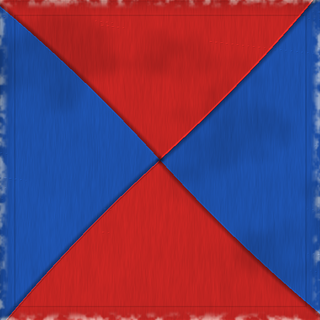
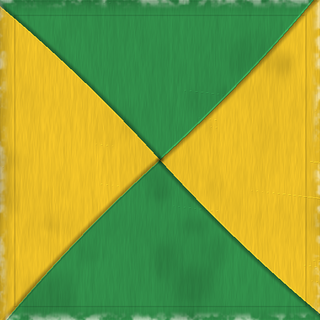







From level 11, everyday objects join the ddakji. They use the same wind physics - only size, weight, thickness, friction and curl differ. Twenty-five candidates were simulated and only those with a strength that actually flips them were kept - a single card or a sheet of seaweed flies away the moment it lifts, and a phone or keyboard never budges, so those were left out.
Boş tepsi, çok hafif — fazla sert olursa uçar

Yumuşak ve tutucu — düzenli yukarı it
Yapışkan taban, zor kayar — rahatça üfle

Uzun kenar öne! Kısa kenardan geri döner
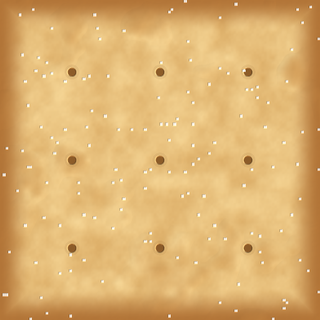
Küçük ve çıtır — kısa ve orta
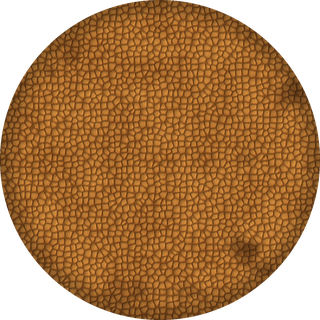
Yuvarlak pirinç krakeri — sert bir üfleyişe dayanır

Kaygan plastik kayar — tek sert üfleyiş
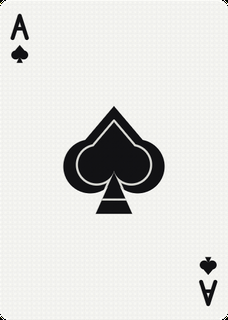
Beş kart ağırdır — sert üfle
Masif ahşap ağırdır — çok sert

En ağır nesne — tüm gücünle!
The room and the desk change every level - each set comes round once every twenty-four levels. Rooms differ in floor, walls and the colour of the light, and every desktop material has its own friction (from varnished wood at 0.60 to a cutting mat at 1.35). On a slippery desk length matters more than strength; on a grippy one, focus on lifting.
 Sınıf
Sınıf
 Kütüphane
 Mutfak
 Oturma odası
 Kafe
Kafe
 Atölye
 Çatı katı
 Resim sınıfı
 Müzik sınıfı
 Fen laboratuvarı
 Spor salonu
 Büyükannemin evi
 Dershane
 Ofis
Ofis
 Eski çay evi
 Çocuk odası
 Market
 Bekleme salonu
 İnternet kafe
 Hanok evi
 Veranda
 Bodrum
 Çatı odası
 Öğretmenler odası









Reklam izleyerek eşya kazan.




 Line Master
  FingerMaster
  FanMaster
  Balance Master
  TapMaster
  SliceMaster
  LottoMaster
  FitMaster
  Sürüş Ustası
  BurstMaster
  Boing Ustası
  BlockMaster
  TenMaster
  TakMaster
  SlurpMaster
  PathMaster
  Kanat Ustası
  Savaş Ustası
  SnakeMaster
  DartMaster
  RoadMaster
  BombMaster
  Astro Ustası
  Poz Ustası